The Impossible Precision of Megalithic Stonework
From Sacsayhuaman to Baalbek, ancient builders achieved stone-fitting tolerances that modern engineers struggle to replicate — raising profound questions about lost techniques.
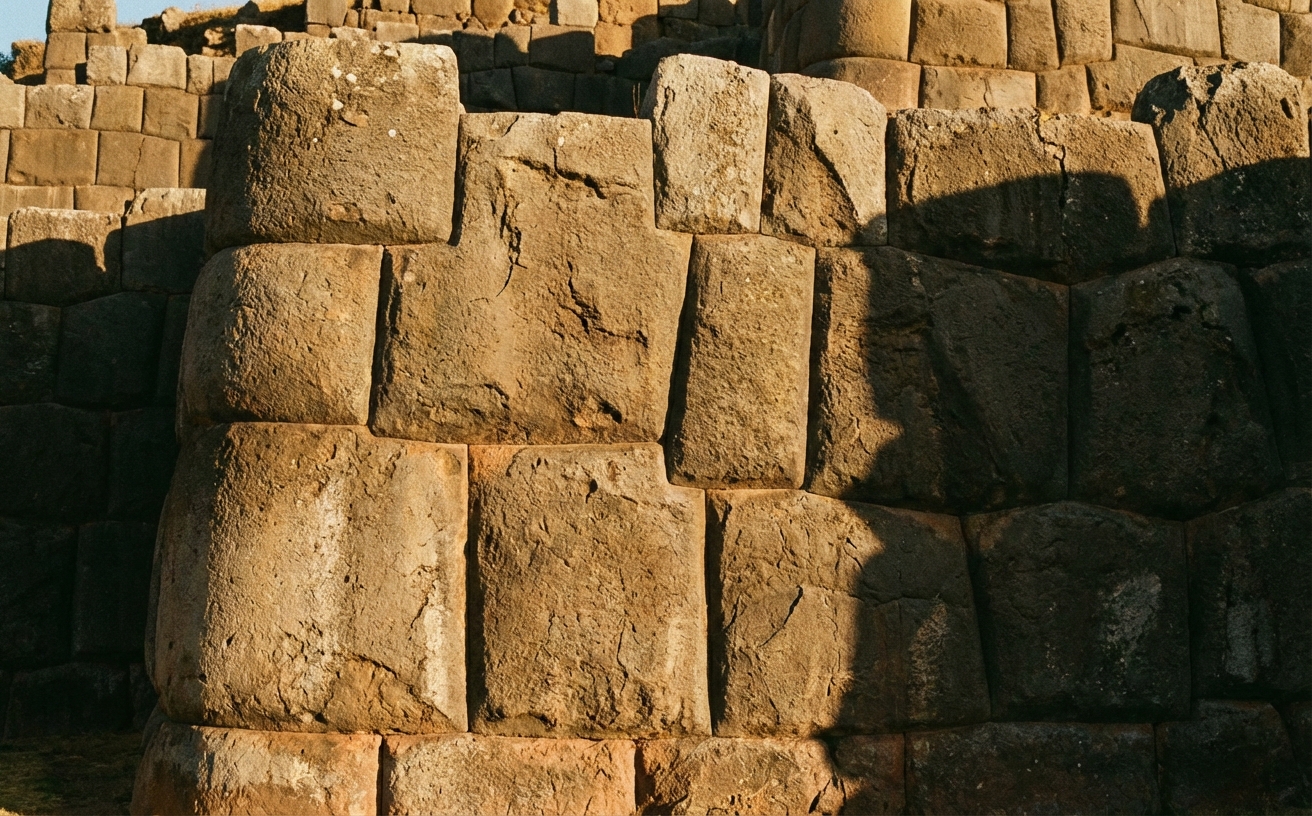
At sites scattered across the globe, ancient builders left behind stonework of breathtaking precision. Blocks weighing hundreds of tons, fitted together so tightly that a razor blade cannot be inserted between them. How was this achieved — and why have we struggled to replicate it?
Beyond Brute Force
The conventional narrative attributes megalithic construction to vast armies of laborers using copper tools and wooden sledges. Yet the evidence tells a different story. At Sacsayhuaman in Peru, andesite blocks weighing up to 200 tons are joined with curved, interlocking faces that suggest a fundamentally different approach to stone shaping.
The joints at Puma Punku show a level of geometric consistency that implies the builders were working with tolerances measured in fractions of a millimeter.
A Global Pattern
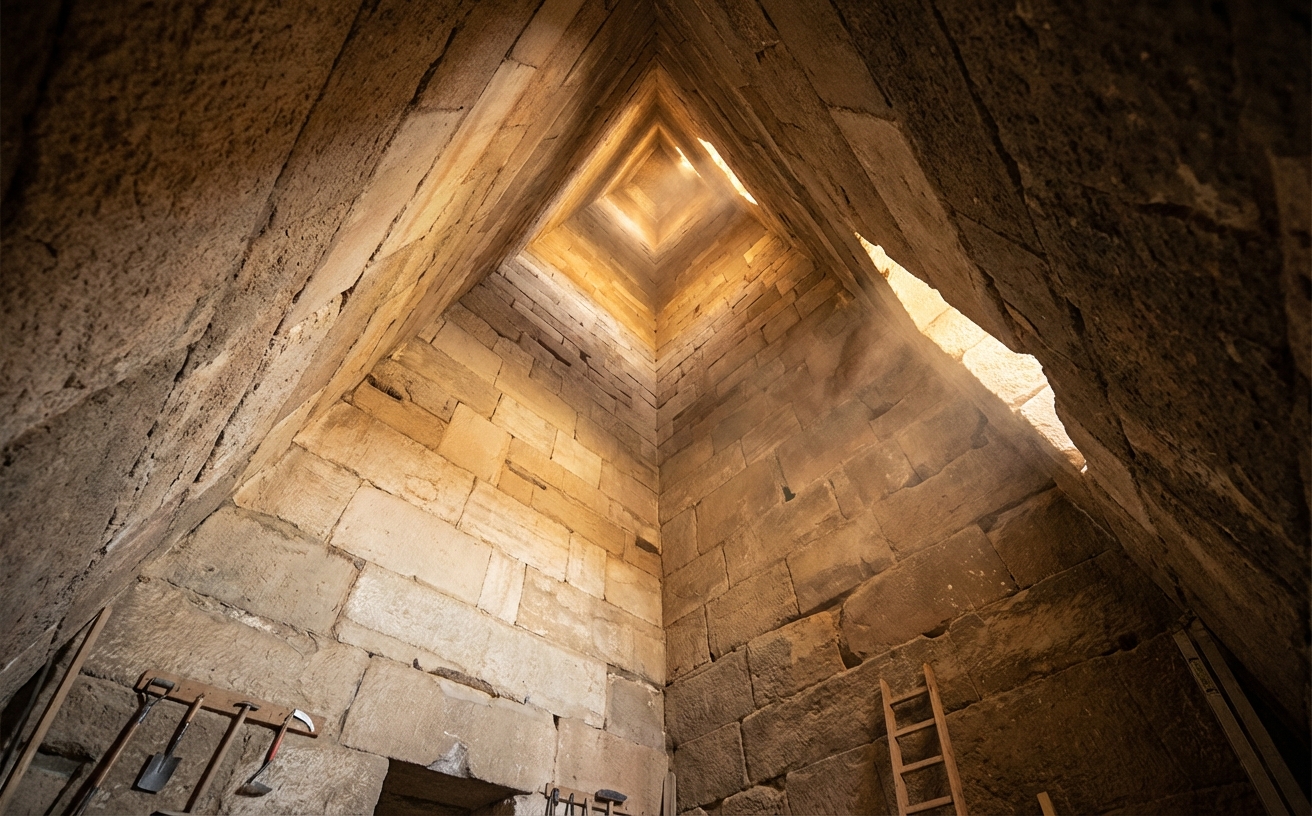
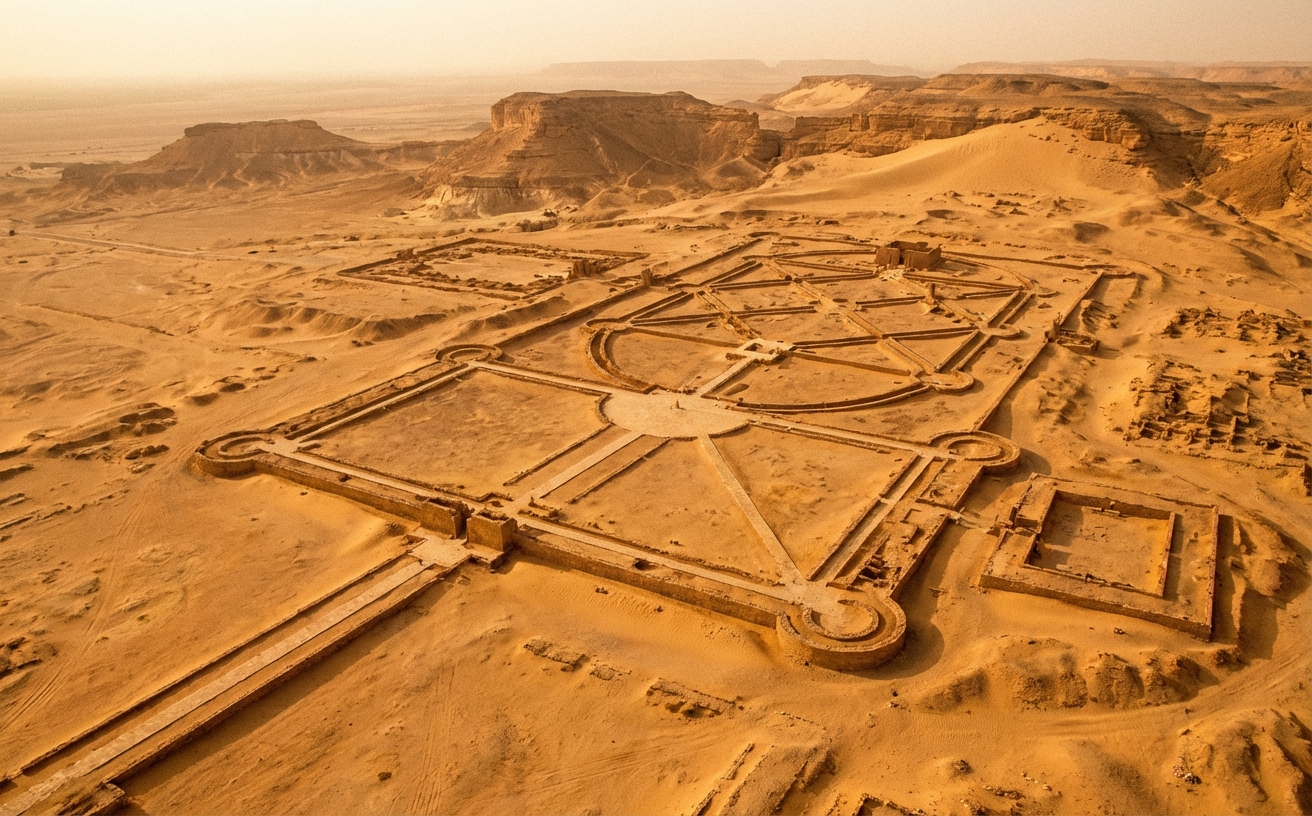
What makes this mystery compelling is its universality. The same impossible precision appears at Baalbek in Lebanon, at the Osireion in Egypt, at the underwater ruins off Yonaguni. These sites span continents and millennia, yet share a common signature of mastery.
Lost Knowledge
If these builders possessed techniques we have yet to rediscover, the implications extend far beyond archaeology. Understanding how they shaped and moved stone at this scale could transform our approach to materials science and construction.